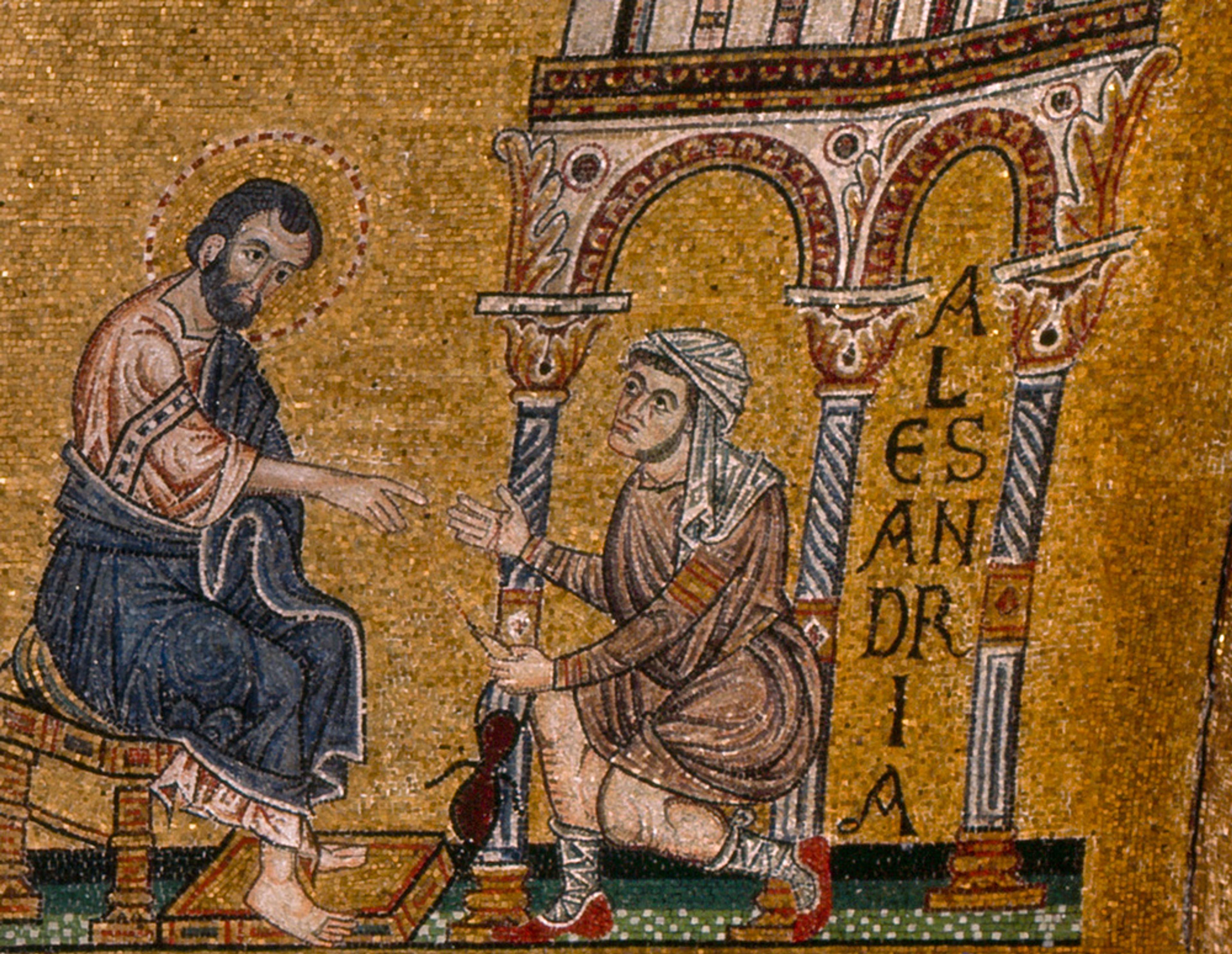
Medieval art didn’t just depict bodies—it weaponized them.
Far from mere illustration, the human form in religious paintings, sculptures, and manuscripts became a charged site where theology and political power converged. Every wound, posture, and gesture carried doctrinal weight and dynastic implication. Kings were shown with halos not because they died as saints, but because their rule was divine law. Christ’s suffering wasn’t only spiritual—it mirrored the physical toll of governance in a fractured, violent world.
To understand medieval visual culture is to recognize that the body was never neutral. It was a contested zone: a vessel of grace, a tool of coercion, a map of social hierarchy. Whether idealized, emaciated, or crucified, the body in medieval art was never just flesh—it was doctrine made visible, power made permanent.
This fusion of theology and politics through bodily representation defined centuries of artistic production from 500 to 1500 CE across Europe and the Byzantine Empire.
The Theological Body: Flesh as Divine Interface
In medieval Christian thought, the body was both flawed and essential. Born into sin, yet capable of redemption through Christ’s incarnation—God becoming flesh. This paradox made the physical form central to theological expression.
Artists emphasized the realness of Christ’s body—not as divine abstraction, but as one that bled, starved, and suffered. The Man of Sorrows motif, popular by the 13th century, showed Jesus frontal, crowned with thorns, wounds open, staring directly at the viewer. His body wasn’t heroic—it was broken, vulnerable, intimate.
This wasn’t just piety. It was pedagogy.
By making Christ’s pain visceral, artists invited worshippers into a personal relationship with salvation. Devotional practices like the Imitatio Christi encouraged believers to mirror Christ’s suffering—not metaphorically, but physically. Flagellants whipped themselves; ascetics starved. The body, in art and life, became a site of spiritual labor.
Take the Lamentation scenes in frescoes across Italy. Mary cradles Christ’s lifeless body—her face contorted, his limbs limp. Every fold of skin, every pooled drop of blood, was painted to evoke empathy. The body here is not passive; it’s active revelation. It teaches the cost of sin and the price of grace.
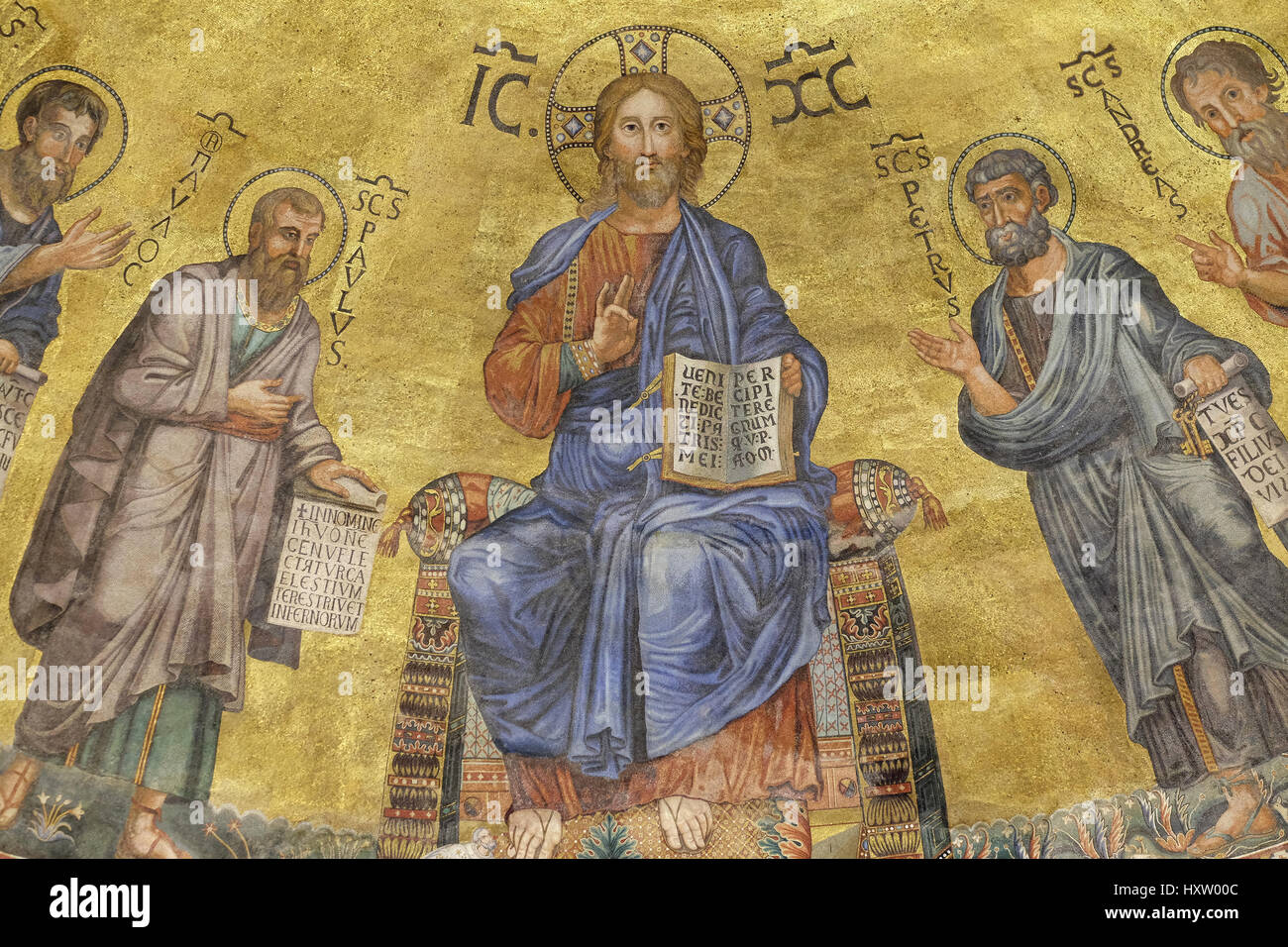
Even in moments of glory, the body conveys theology. In Byzantine mosaics, Christ Pantocrator stares from church domes—eyes large, hand raised in blessing. His body is rigid, symmetrical, eternal. This isn’t a man; it’s Logos made flesh. The image reinforces orthodoxy: Christ is fully divine, fully human, unchanging and all-powerful.
The Political Body: Authority Inscribed on Flesh
While theology gave the body sacred meaning, politics gave it hierarchy. Rulers knew that visual representation could legitimize power. And the body—especially the royal body—was their primary propaganda tool.
Coronation imagery consistently fused religious and secular authority. Look at the Coronation of Charlemagne in later manuscripts. Though the event occurred in 800, 12th-century versions show the Pope placing the crown as divine light descends. Charlemagne’s body is upright, solemn, anointed. He isn’t just emperor—he’s God’s vicar on Earth.
This concept—the king’s two bodies—was later formalized by medieval jurists: the mortal body and the immortal office. Art made this duality visible. Royal tombs often showed kings as both young and healthy (their eternal office) and as corpses or skeletons (their earthly end). The Effigy of King John at Worcester Cathedral presents him in regal robes, hand on sword—never mind that he died unpopular and defeated. The body in stone outlasts history.
Saints’ relics offer another intersection. The veneration of body parts—fingers, skulls, blood—wasn’t macabre; it was political. Churches that possessed relics gained status, pilgrims, and wealth. The reliquary of Sainte-Foy in Conques, shaped like her head but encrusted with gold and jewels, transformed a humble monk’s remains into a national treasure. To control the body was to control spiritual access.
Even architecture mirrored this. Gothic cathedrals were “bodies” of the Church—nave as spine, transepts as arms, altar as heart. The faithful walked through the body of Christ, reinforcing both spiritual and institutional authority.
Gender and the Body: Control, Purity, and Power
If male bodies symbolized divine authority, female bodies were battlegrounds of purity and danger.
The Virgin Mary was the ideal—virginal, passive, suffering silently. In Annunciation scenes, she’s often shown small, bowed, receiving the Word. Her body is not active but receptive. Yet this very passivity made her powerful. As Theotokos (God-bearer), she carried divine authority in flesh. Artists emphasized her humility—downcast eyes, pale skin, blue robes—to reinforce ideals of modesty and obedience.
Contrast this with Eve, frequently painted beside Mary as mirror opposites. In the Gates of Paradise doors at Florence Baptistery, Eve covers herself awkwardly, body twisted in shame. Her body caused the Fall. Mary’s body brought Redemption.
Women saints were depicted in ways that reinforced control. Saint Agnes, martyred for refusing marriage, is shown with a lamb—symbol of purity. Saint Catherine is idealized, even in torture. The wheel meant to break her bones is shattered by divine will. Her body survives not through strength, but through submission to God.
But real women wielded power through bodily representation too. Abbesses like Hildegard of Bingen used visions—often involving bodily transformation—to assert spiritual authority. In her Scivias, she describes a woman “clothed with the sun,” echoing Revelation. Her texts, illustrated under her direction, showed female figures radiating divine light. Even within rigid structures, women could reclaim the body as prophetic.
Pain, Suffering, and the Aesthetics of Control
Medieval art didn’t shy from pain. It weaponized it.
The crucifixion was the central image—not a triumphant resurrection, but prolonged agony. In Giotto’s Crucifix from the 14th century, Christ sags, head lolling, feet pierced. His body is heavy, real. This wasn’t just realism; it was a tool for emotional manipulation.
Why emphasize suffering so intensely?
Because pain had meaning. It purified. It proved devotion. And it reminded viewers of hierarchy.
The flagellant movement of the 1340s, during the Black Death, took this further. Processions of men whipped themselves in public, reenacting Christ’s torment. Art depicting these scenes didn’t condemn them—it often endorsed them. The body in pain was a body under control: of God, of Church, of community.
But pain wasn’t equally distributed in imagery. Peasants were rarely shown suffering in art—unless as grotesques or sinners in hell. Demons in Last Judgment scenes stretched bodies on racks, stuffed them into ovens. These weren’t random torments—they reflected real fears: dismemberment, starvation, torture.
Meanwhile, nobles and clergy were depicted in serene repose, even in death. The Tomb of the Black Prince in Canterbury shows him in full armor, hands in prayer, no sign of the dysentery that killed him. The body’s portrayal revealed not medical truth, but social order.
Race, Otherness, and the Boundaries of the Body
Medieval art also defined who belonged—and who didn’t—through bodily representation.
Christ and the apostles were almost always white, even in regions with diverse populations. In contrast, Moors, Saracens, and Jews were marked by dark skin, exaggerated features, or distinctive hats. The Cloisters Cross (12th century) includes carved figures of Jews with grotesque noses, labeled with curses.
These weren’t accidents. They reinforced the idea of Christian superiority. The holy body was pure, radiant. The “other” body was corrupt, threatening.
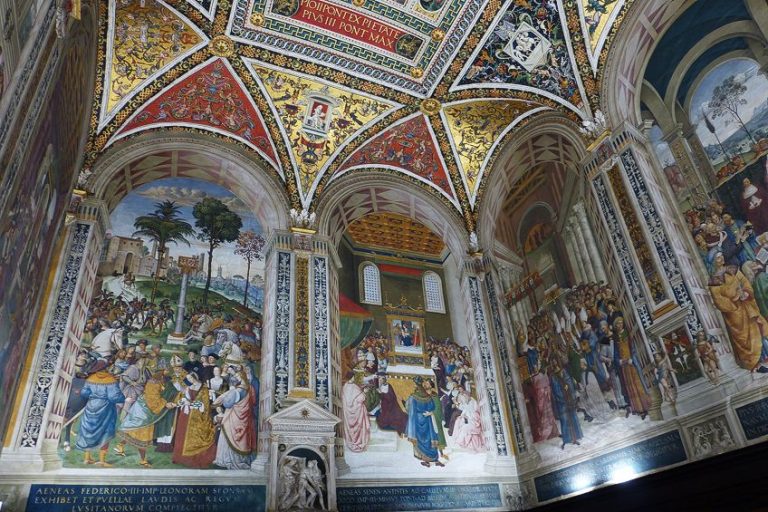
Even in paradise, hierarchy persisted. In Last Judgment frescoes, the saved rise naked but modest, skin luminous. The damned are twisted, dark, often sexually exposed—symbolizing moral decay.
But exceptions existed. Saint Maurice, an Egyptian martyr, was increasingly depicted as Black by the 13th century—especially in Germany. In the Statue of Saint Maurice at Magdeburg Cathedral, he’s shown in full armor, serene, noble. This wasn’t just diversity; it was theological statement: salvation transcends race.
Still, such cases were rare. The body’s color, posture, and clothing were tools of inclusion and exclusion—visual code for spiritual and political belonging.
Art as Bodily Enforcement: From Altar to Alley
Medieval art wasn’t confined to cathedrals. It saturated public life—on seals, coins, wall paintings, tapestries. And each repetition reinforced the message: the body is not private. It belongs to God. It serves the King.
Church portals were sermons in stone. At Autun Cathedral, Gislebertus’s Last Judgment shows souls being weighed. The saved rise gracefully; the damned are dragged by demons, bodies contorted. Viewers entering the church saw their possible futures—literally inscribed on flesh.
Even domestic art played a role. Books of Hours, owned by wealthy laity, included images of the Five Wounds of Christ. Owners were meant to meditate on each wound—hands, feet, side—linking daily prayer to Christ’s physical suffering. The body became a devotional calendar.
Art also policed behavior. Misericords—wooden seats in monasteries—often had hidden carvings of grotesques: half-human beasts, exaggerated genitals, fools. These weren’t just humor. They warned of bodily temptation—lust, gluttony, pride.
Conclusion: The Body as Enduring Symbol
Medieval art didn’t just reflect beliefs—it shaped them. Through the body, theology became tangible and politics became sacred. Every image of a bleeding Christ, a crowned king, a veiled virgin, or a tormented sinner was a statement: the flesh is never neutral.
To study these works today is to uncover how power operates through representation. The medieval world understood what modern media often forgets: that how we depict bodies determines how we treat them.
If you’re exploring medieval art, don’t just ask what is shown. Ask why this body, in this way, at this time. The answers reveal not just aesthetics—but ideology in motion.
Start with a single image: a crucifix, a royal seal, a saint’s reliquary. Trace the lines of the body. Notice the wounds, the posture, the gaze. Ask who benefits from this portrayal. Then you’ll see what medieval artists already knew—the body was never just flesh. It was doctrine. It was rule. It was war.
FAQ
How did medieval art depict the suffering of Christ? Through detailed, emotional scenes emphasizing wounds, sagging posture, and tearful mourners—designed to inspire empathy and devotion.
Why were kings often shown with halos in medieval art? To visually assert divine right, linking their authority directly to God, even if they weren’t canonized saints.
What role did the Virgin Mary’s body play in medieval theology? As the Theotokos, her body was the vessel of incarnation—symbolizing purity, obedience, and the physical link between divine and human.
How was gender represented in medieval religious art? Women were idealized as pure (Mary) or dangerous (Eve), with their bodies used to enforce social and spiritual norms.
Did medieval art show racial diversity? Rarely. Most holy figures were depicted as white, while non-Christians were marked by caricatured features to emphasize otherness.
What was the purpose of showing bodily pain in religious art? To teach moral lessons, inspire penitence, and reinforce the idea that suffering had redemptive, even political, value.
How did relics turn bodies into political tools? By housing saintly remains, churches gained pilgrims, wealth, and influence—making control of a body a source of institutional power.
FAQ
What should you look for in How Medieval Art Turned the Body Into Sacred Politics? Focus on relevance, practical value, and how well the solution matches real user intent.
Is How Medieval Art Turned the Body Into Sacred Politics suitable for beginners? That depends on the workflow, but a clear step-by-step approach usually makes it easier to start.
How do you compare options around How Medieval Art Turned the Body Into Sacred Politics? Compare features, trust signals, limitations, pricing, and ease of implementation.
What mistakes should you avoid? Avoid generic choices, weak validation, and decisions based only on marketing claims.
What is the next best step? Shortlist the most relevant options, validate them quickly, and refine from real-world results.