The search for a missing University of South Florida doctoral student ended in tragedy when human remains were discovered in a densely wooded area north of Tampa. The discovery, made by search and rescue teams after days of combing through remote terrain, has shifted the investigation from a missing persons case to a suspected homicide inquiry. The student, identified as 29-year-old Daniel Gamez, had been reported missing by university staff after failing to attend scheduled academic meetings and vanishing from campus radar.
Gamez, a third-year doctoral candidate in environmental science, was last seen leaving his on-campus research lab late in the evening. Colleagues noted his routine departure but flagged concern when he didn’t respond to messages or appear for a critical thesis review. His disappearance triggered an immediate university alert and cooperation with Hillsborough County Sheriff’s Office, launching one of the most intensive ground-and-air searches in recent memory across the rural outskirts of New Tampa.
The recovery of the remains—found approximately 12 miles from USF’s main campus—has sent shockwaves through the academic community, renewing debate over student safety, mental health support, and law enforcement coordination in missing persons cases involving higher education institutions.
Timeline of the Search and Discovery
Understanding how the search unfolded reveals both the complexity and urgency behind locating missing individuals in densely populated yet topographically varied regions like Tampa Bay.
- Day 1 (Report Filed): Gamez is reported missing after missing a scheduled advisor meeting and failing to log into university systems for 48 hours. Campus police initiate preliminary checks of dorms, labs, and common areas.
- Day 2: Surveillance footage shows Gamez’s vehicle exiting campus parking around 10:45 p.m. the prior night. The car is later found abandoned near the Hillsborough River State Park trailhead.
- Day 3: Search teams, including K-9 units and drone operators, begin combing the surrounding wildlife preserves. The Florida Fish and Wildlife Conservation Commission assists with aerial reconnaissance.
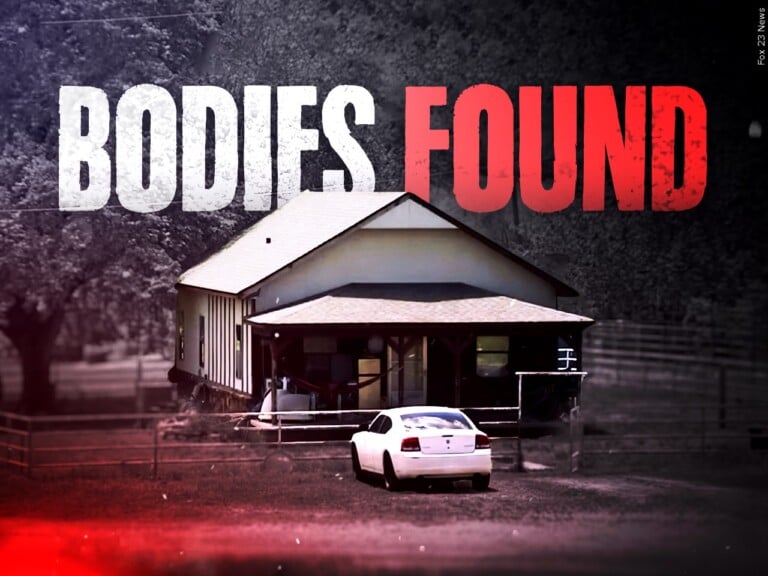
- Day 5: Human remains are located in underbrush approximately 200 yards off a hiking trail. Recovery efforts are hampered by terrain and weather. Forensic teams stabilize the site for evidence collection.
- Day 6: Preliminary forensic analysis confirms the remains are consistent with Gamez’s physical description. Dental records are used for positive identification.
This timeline illustrates how quickly a missing student case can escalate when digital footprints vanish and physical evidence becomes sparse. Early intervention proved critical, but the delay between last sighting and formal reporting—nearly 36 hours—raises questions about institutional protocols for high-risk academic populations.
The Role of University Protocols in Missing Student Cases
USF, like many large universities, has a missing person policy that kicks in after 24 hours of unresponsiveness. However, students like Gamez—graduate researchers with irregular schedules and minimal daily check-ins—often fall through procedural cracks.
Gamez’s situation reflects a broader issue: doctoral candidates operate with significant autonomy. Unlike undergraduates embedded in structured class routines, PhD students may work late-night lab shifts, conduct field research off-grid, or travel frequently for data collection. This independence, while academically necessary, complicates monitoring and early intervention.
Effective protocols should include: - Automated activity tracking: Integration with campus login systems, lab access logs, and library databases to flag unusual absence patterns. - Mandatory check-ins: Advisors required to confirm biweekly contact with graduate students. - Emergency contact chains: Pre-authorized lists of family, friends, and colleagues to contact if a student disappears.

One former USF faculty member, speaking anonymously, noted: “We had no mechanism to escalate Daniel’s absence until he missed a deadline. By then, the window was already closing.”
Forensic and Law Enforcement Response
The discovery site, located in a semi-protected conservation area, presented unique challenges for investigators. The region’s high humidity, wildlife activity, and dense foliage accelerated decomposition and disturbed potential evidence.
Hillsborough County Sheriff’s Office deployed their Special Operations Division, including: - Forensic anthropologists from the University of Florida - Digital evidence recovery specialists - Ballistics and trace evidence teams
Initial reports indicate no visible signs of trauma on the recovered clothing, but toxicology and autopsy results are pending. Authorities have not ruled out foul play, especially given the isolated location and the condition of the abandoned vehicle.
Investigators are currently reviewing: - Cell phone pings from Gamez’s last known location - Surveillance footage from gas stations and traffic cams along Fletcher Avenue - Digital communications from the 72 hours preceding his disappearance
While officials have not named any suspects, they’ve confirmed that several individuals—colleagues, acquaintances, and off-campus contacts—are being interviewed. The case remains active and classified as a death investigation.
Community and Campus Reaction
The news triggered an outpouring of grief across the USF campus. Students held a candlelight vigil outside the science building where Gamez conducted his research on wetland conservation. His advisor, Dr. Lena Park, described him as “driven, meticulous, and deeply committed to ecological restoration.”
Friends recall Gamez as reserved but passionate, often working late into the night analyzing soil samples. He was months away from defending his dissertation on pollution runoff in coastal ecosystems.
Beyond mourning, the incident has sparked student-led demands for improved safety infrastructure: - Installation of emergency call boxes near remote campus facilities - Expansion of campus escort services into adjacent neighborhoods - Creation of a graduate student wellness task force
Some are calling for a reevaluation of how universities classify and respond to at-risk populations. “PhD students aren’t just older undergrads,” said Sarah Nguyen, a fellow doctoral candidate in biology. “We’re isolated, overworked, and often too proud to ask for help. The system treats us like we’re independent, but we’re not invincible.”
Digital Traces and the Limits of Modern Tracking
Despite living in a hyper-connected age, Gamez’s digital footprint faded quickly. His phone stopped transmitting location data shortly after leaving campus. His laptop remained untouched in his lab office. Social media accounts showed no activity.
This vanishing act underscores a sobering truth: when someone chooses—or is forced—to disconnect, modern tracking tools have limits.
Consider: - Phone location services: Only active if the device is powered and connected to a network. Gamez’s phone was likely turned off or compromised. - University login logs: Useful for detecting absence but offer no real-time location data. - Surveillance networks: Spotty coverage in conservation areas and low-light zones reduces effectiveness.
In cases like this, digital forensics become crucial post-recovery. Investigators are now probing Gamez’s cloud backups, email logs, and encrypted messaging apps for clues about his final hours.
Experts stress that while technology aids investigations, it cannot replace human vigilance. “We rely too much on alerts and algorithms,” said Mark Tolbert, a former FBI cyber investigator. “Sometimes the best tool is a colleague who notices someone’s not at their usual coffee spot.”
Mental Health and the Pressure of Doctoral Studies
While foul play remains under investigation, the possibility of self-harm cannot be dismissed. Doctoral students face extraordinary psychological pressure—publish-or-perish culture, financial strain, isolation, and imposter syndrome.
A 2023 study published in Nature found that over 40% of PhD candidates report moderate to severe anxiety and depression symptoms—three times the rate of the general population.
Gamez’s academic load was substantial. He was simultaneously teaching two undergraduate labs, publishing a paper on nitrogen leaching, and applying for postdoctoral fellowships. Those close to him said he’d expressed frustration over funding delays and reviewer criticism.
USF offers counseling services, but graduate students often underutilize them due to stigma or scheduling conflicts. “You don’t want to look weak in front of your advisor,” said one PhD student who wished to remain unnamed. “So you push through. Until you can’t.”
The university has since announced plans to expand after-hours mental health support and integrate wellness checks into graduate program requirements.
What This Case Means for Campus Safety Moving Forward
The discovery of human remains in the search for Daniel Gamez is more than a local tragedy—it’s a wake-up call for universities nationwide.
Colleges must reassess how they monitor and support graduate researchers, who often operate outside traditional student systems. Recommendations emerging from this case include: - Risk-tiered monitoring: Flagging students with high workloads, isolation, or recent personal stressors for proactive wellness checks. - Cross-departmental alerts: Automating notifications to advisors, housing, and counseling when a graduate student shows prolonged absence. - Field safety protocols: Requiring check-in systems for students conducting off-campus research.
Additionally, law enforcement and university police must deepen collaboration. The initial 48-hour window in missing persons cases is critical—delays in reporting or information sharing can cost lives.
Conclusion: A Call for Systemic Change
The discovery of human remains linked to the disappearance of a University of South Florida doctoral student is a stark reminder that academic achievement should never come at the cost of human safety. While the investigation continues, the broader implications demand action.
Universities must evolve beyond reactive policies. They need proactive systems that recognize the unique vulnerabilities of graduate researchers—their isolation, their stress, their silence. Technology can help, but it’s human connection, institutional responsibility, and timely intervention that ultimately save lives.
For now, the USF community mourns. But mourning must be followed by change.
Frequently Asked Questions
What were the circumstances of the discovery? Human remains were found in a wooded area near Hillsborough River State Park during a search operation involving law enforcement, K-9 units, and drones. The site was remote and difficult to access.
Has the identity of the remains been confirmed? Yes, authorities confirmed through dental records that the remains belong to Daniel Gamez, a 29-year-old USF doctoral student.
Was foul play suspected in the case? The investigation remains active. While no cause of death has been released, officials have not ruled out criminal involvement.
What was Daniel Gamez studying at USF? He was a doctoral candidate in environmental science, focusing on wetland conservation and pollution runoff in coastal ecosystems.
How did the university respond to his disappearance? USF issued a campus alert, coordinated with law enforcement, and assisted in search efforts. They’ve since announced plans to review graduate student safety and wellness protocols.
Were there any warning signs before he went missing? Colleagues noted increased stress due to academic deadlines and funding issues, but no direct threats or prior incidents were reported.
What can universities do differently in similar cases? Implement automated absence alerts, mandatory advisor check-ins, expanded mental health access, and better coordination between campus and local law enforcement.
FAQ
What should you look for in Human Remains Found in Search for Missing USF Doctoral Student? Focus on relevance, practical value, and how well the solution matches real user intent.
Is Human Remains Found in Search for Missing USF Doctoral Student suitable for beginners? That depends on the workflow, but a clear step-by-step approach usually makes it easier to start.
How do you compare options around Human Remains Found in Search for Missing USF Doctoral Student? Compare features, trust signals, limitations, pricing, and ease of implementation.
What mistakes should you avoid? Avoid generic choices, weak validation, and decisions based only on marketing claims.
What is the next best step? Shortlist the most relevant options, validate them quickly, and refine from real-world results.